The date industry in the UAE, similar to most global producers, faces a complex set of challenges spanning the production, manufacturing, and marketing value chains. These hurdles directly impact manufacturing quality and industrial sustainability, placing a significant burden on producers. However, promising opportunities for sustainable growth remain attainable if these obstacles are addressed through strategic planning and operational flexibility.
Defining the Primary Challenges
The sector’s challenges are categorized into several key pillars: shifting consumption patterns, economic implications, investment gaps, and the urgent need to integrate advanced technological solutions across agriculture, processing, and distribution
Shifting Food Consumption Patterns
Recent decades have seen a paradigm shift in consumer behavior, with a marked preference for processed foods and ready-to-eat meals, resulting in softened demand for traditional dates. This transition has marginalized dates in daily diets, particularly among younger generations seeking convenient options compatible with modern lifestyles. This shift is a critical bottleneck; it has dampened farmers’ incentives to invest in palm cultivation and crop quality, ultimately eroding profit margins and stifling investment across the production sector
Economic Implications of Industry Evolution
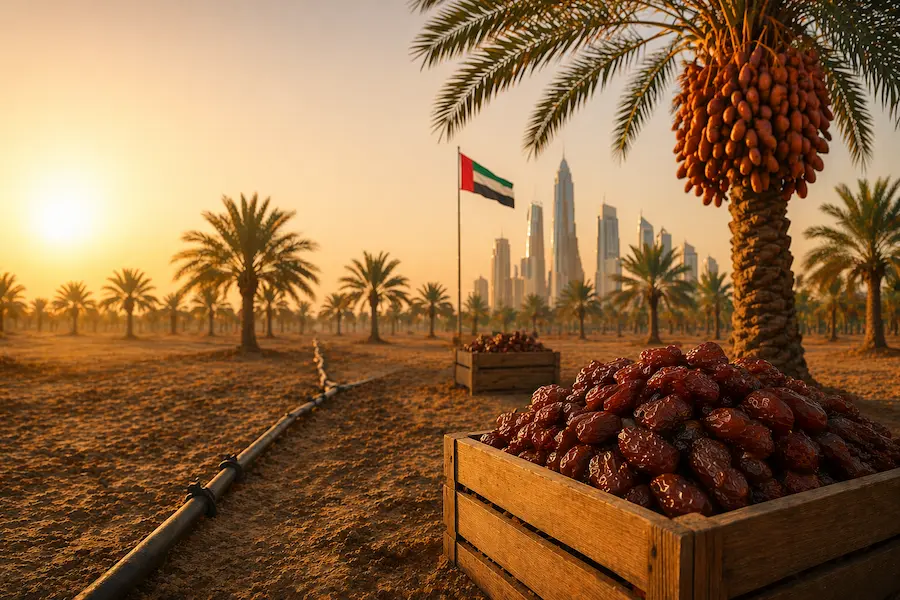
The industry is under mounting economic pressure due to the diminishing financial returns of traditional date sales. Field estimates suggest that prices for certain varieties range between $400 and $1,200 per ton—figures that often fail to amortize the costs of cultivation, palm maintenance, processing, packaging, and marketing. This economic imbalance has discouraged farmers from expanding their operations. Despite the UAE hosting approximately 18,000 registered farms—each housing 300 to 600 trees with an average yield of 60kg per tree—a substantial portion of this output remains underutilized due to the lack of modern marketing frameworks and sophisticated manufacturing
Investment Gaps and Conventional Methodologies
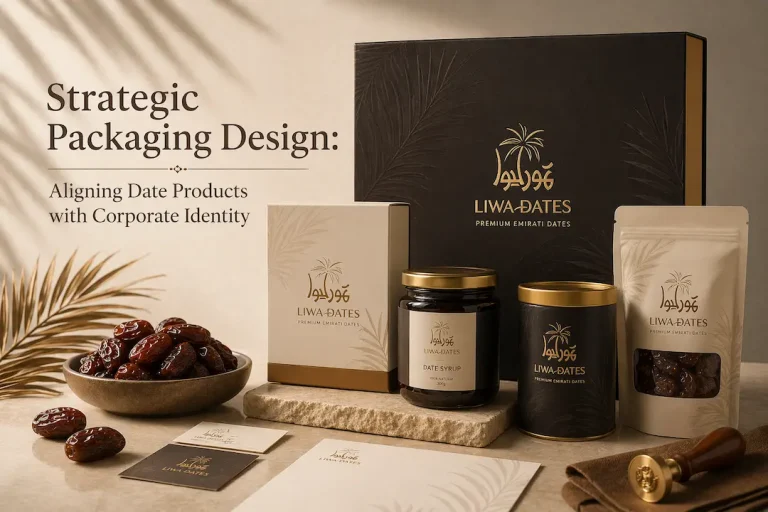
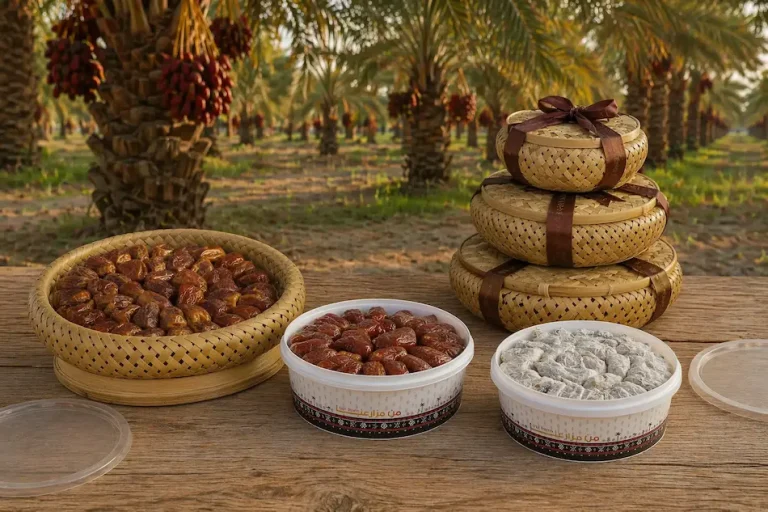
Limited modern investment remains a significant barrier to sectoral evolution. The scarcity of fresh capital has forced small-scale farms and factories to rely on traditional production methods that fall short of global benchmarks for quality, packaging, and branding. Furthermore, the absence of robust investment incentives and the modest projected returns render the sector less competitive compared to high-yield industries. This reality constrains the adoption of “Agri-Tech” solutions—such as smart farming and sensor-based irrigation—and hinders the establishment of high-value downstream industries for date derivatives like vinegar, molasses, date powder, and energy bars
Technological Integration and Smart Marketing
As digitalization becomes the backbone of the global food industry, the UAE date sector faces a pivotal challenge in transitioning toward modern management and marketing ecosystems. Leveraging Artificial Intelligence and Big Data is now essential for analyzing consumer behavior and optimizing distribution. While e-commerce is a vital tool for stimulating demand, many local entities still struggle to establish a robust digital presence or deploy integrated e-sales channels
Quality Standards and Global Compliance
Aligning quality systems with international standards for packaging, preservation, and export is paramount. Many smaller facilities still utilize conventional storage methods, which compromises the final product’s integrity and its competitiveness in foreign markets. Exporting to European and Asian markets represents a massive opportunity, yet it demands rigorous adherence to international food safety protocols and the implementation of precise monitoring systems throughout the production lifecycle
Inherent Growth Potential
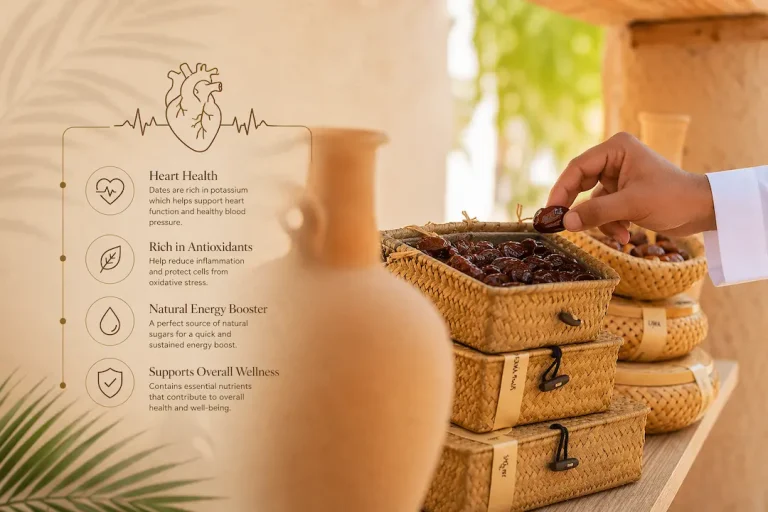
Despite these headwinds, the UAE’s date sector possesses the fundamental pillars for a resurgence. Government backing for food security initiatives, coupled with rising public awareness of natural nutrition, creates a fertile ground for innovative date-based products. Strategic investment in R&D and the establishment of specialized centers for variety development and advanced packaging can serve as a catalyst for a sustainable, globally competitive industry
Future Strategic Outlook
The challenges facing the UAE date industry serve as a clarion call for public-private integration to build a modern ecosystem rooted in innovation and smart production. By leveraging its deep heritage and vast agricultural potential, the UAE is well-positioned to transform these challenges into strategic opportunities, reinforcing its status as a global leader in the production and manufacturing of premium dates