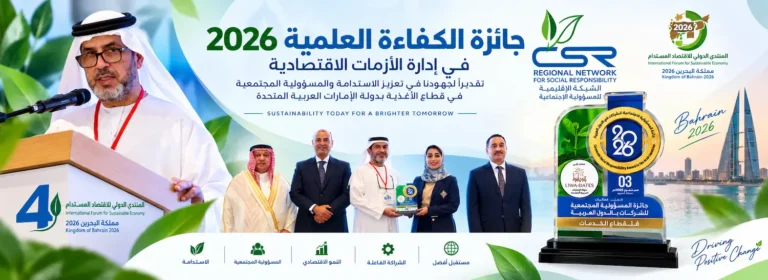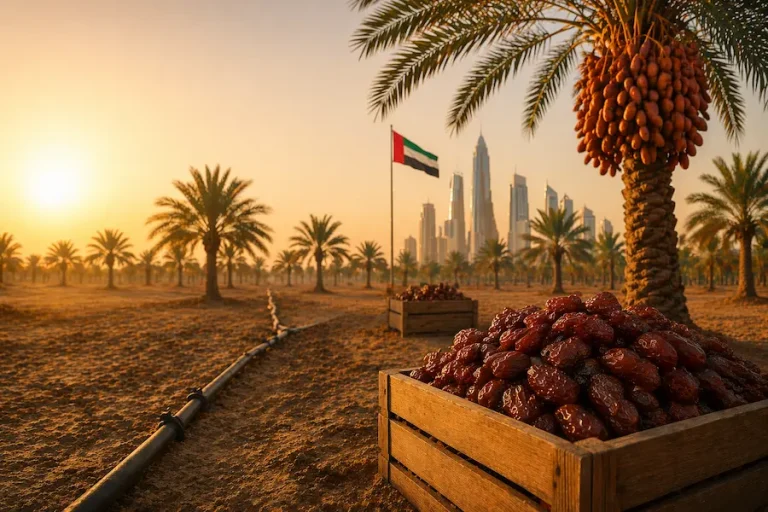

Liwa Dates Factory seeks to build an integrated Emirati model in sustainable industrial operations management. This model is based on the principle of balancing operational efficiency with environmental conservation through internal policies and field practices implemented in partnership with local farmers. This commitment is not limited to production lines but extends to all stages of the agricultural value chain, ensuring environmental and economic harmony that reflects the factory’s identity and its responsibility toward society
Comprehensive Commitment to Environmental Sustainability
Liwa Dates Factory integrates sustainability as a core operational element, not a cosmetic option. All industrial decisions undergo an environmental impact assessment before implementation to mitigate risks and improve resource efficiency. The factory relies on a rigorous monitoring system that measures energy and water consumption and emissions, ensuring that operations align with approved environmental performance indicators
Reducing Agricultural Waste and Resource Recycling
The factory implements an integrated program to reduce waste during post-harvest and date processing stages. Production by-products are repurposed and converted into raw materials used for additional products, such as organic fodder and natural fertilizers. Furthermore, the factory continues to guide farmers toward innovative recycling methods for palm waste, enhancing farm productivity and limiting agricultural refuse. These initiatives also support traditional industries, as parts of the palm tree are utilized in handicrafts and traditional products that represent the UAE’s cultural heritage
Integrating Renewable Energy into Industrial Operations
Since its establishment, the factory has adopted a gradual approach to integrating renewable energy sources into its daily operations. Solar panel systems are used to power production and cooling departments with clean energy, reducing reliance on fossil fuels and lowering carbon emissions. Smart monitoring units are also applied to track energy consumption and optimize operational efficiency. Additionally, the factory provides technical guidance programs for farmers on using energy- and water-efficient irrigation systems within the framework of supporting a sustainable supply chain
The Link Between Emission Reduction and Production Footprint
Liwa Dates Factory believes that reducing carbon emissions is inseparable from enhancing production quality. Technologies that reduce emissions improve equipment efficiency and limit energy waste, which is reflected in operational costs and the stability of industrial performance. The factory works on managing its carbon footprint through two pillars
- Direct Operational Measures: Including the adoption of renewable energy, the use of low-emission cooling systems, and advanced waste treatment technologies
- Indirect Measures: Represented by building the capacity of farmers and enabling them to apply agricultural practices based on biofuels and targeted irrigation
Sustainability as a Driver for Production Quality and Local Development
Liwa Dates Factory embodies an integrated model that links the quality of the final product with the health of the surrounding environment. A healthy environment means more stable resources, higher quality raw materials, and sustainable production across generations. By merging agricultural awareness with industrial operations, the factory has established a long-term cooperation network with its local farming partners, contributing to raising environmental awareness and achieving shared economic value. These efforts translate into a practical commitment to the principle of “Productive Sustainability,” which balances profitability with social responsibility
Liwa Dates’ Vision for the Future
Liwa Dates Factory continues to develop its environmental ecosystem through new projects in renewable energy and resource management. The factory aims to reach the stage of carbon neutrality in its operations in the coming years, while expanding the scope of local partnerships to enhance sustainable development in the UAE’s agricultural sector. This approach solidifies the factory’s position as a responsible industrial institution providing a practical model for a circular economy based on resource efficiency and sustainable growth